Version Control for Binary Files
Stop worrying about "breaking the build" or overwriting your teammates' work! We will explore how version control for binary files can be as simple as creating a "checkpoint" for your project.
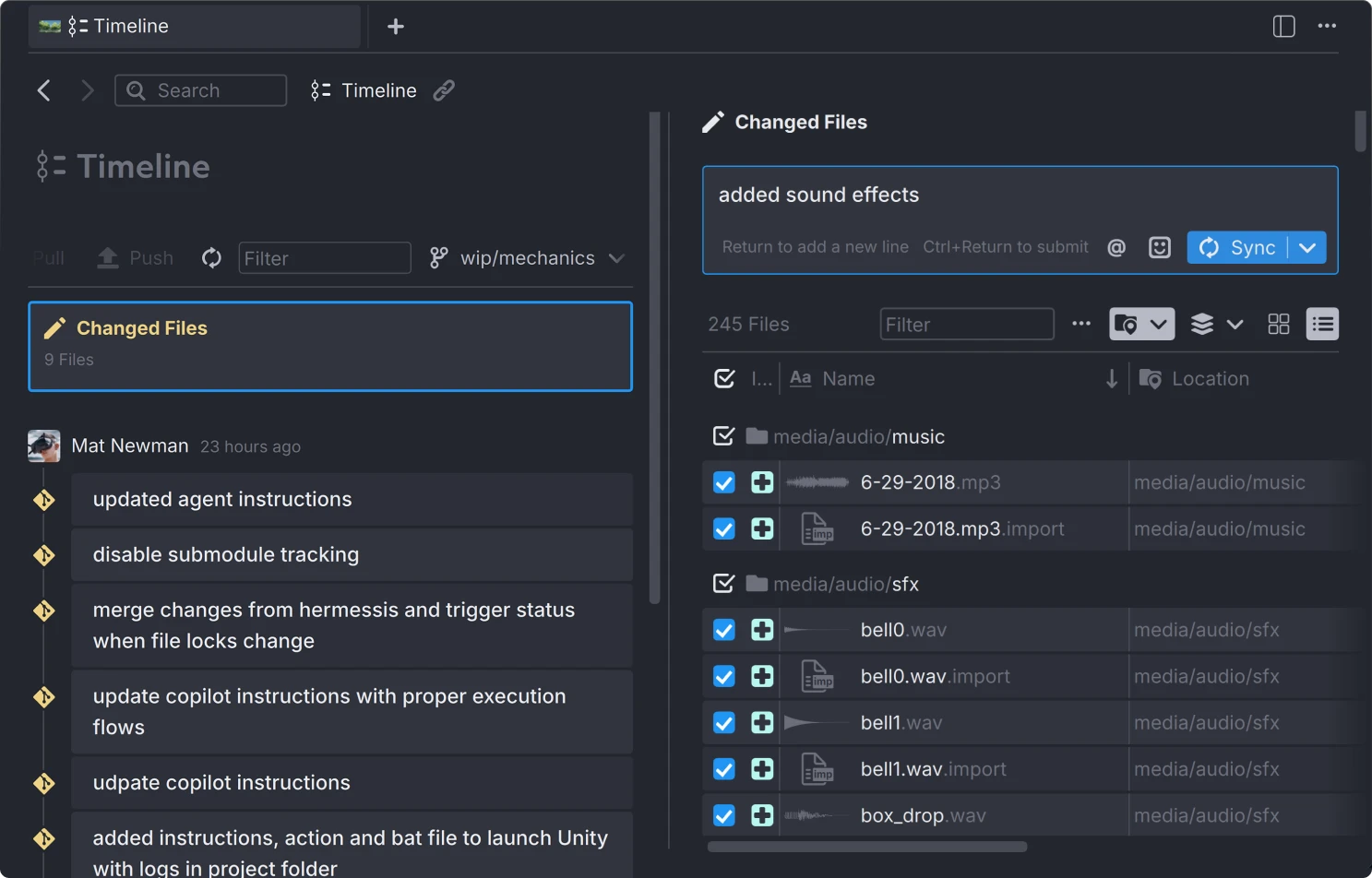
Anchorpoint lets you work with GitHub, self hosted servers or any other Git provider. Get it up and running in minutes. You don't have to worry about configuration at all.
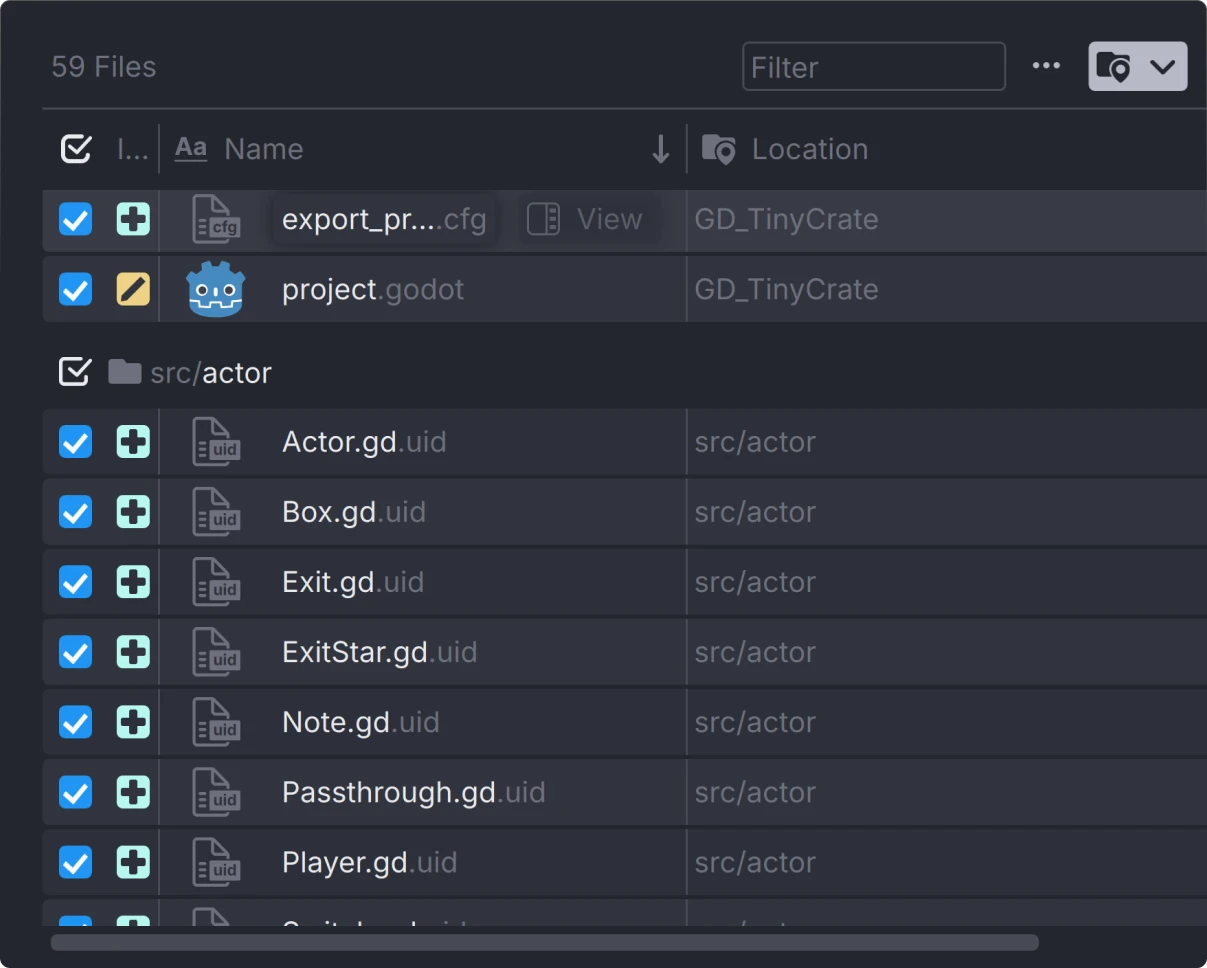
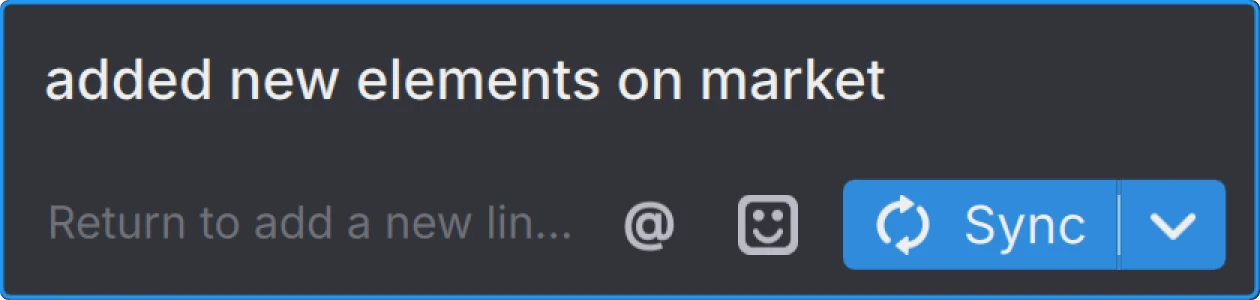
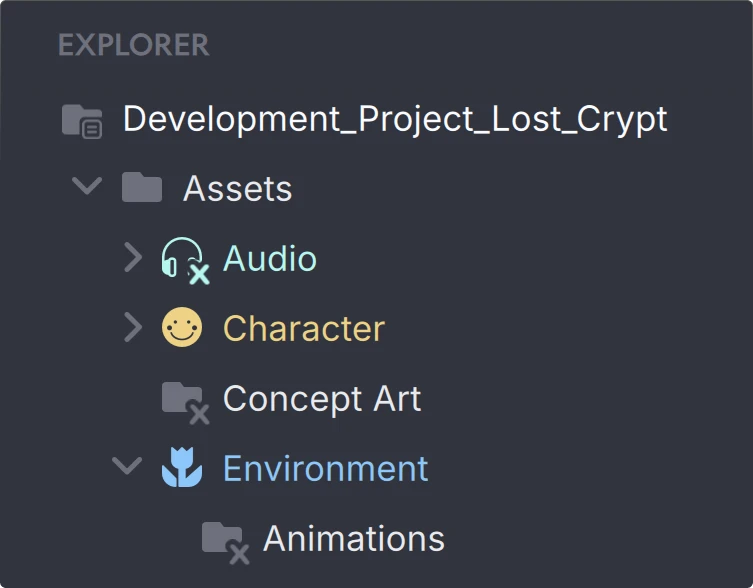
Anchorpoint makes it easy for our team of designers and developers to collaborate with our Git workflow. It works seamlessly with GitLab and allows us to centralize all our project working files.
Technically, yes. Anchorpoint uses Git under the hood and extends it with its own file locking and asset management features like tagging, comments, etc.
Anchorpoint manages binary files using Git LFS without the need for manual configuration. It automatically validates the .gitattributes file on every commit to ensure all binary assets are correctly tracked by Git LFS.
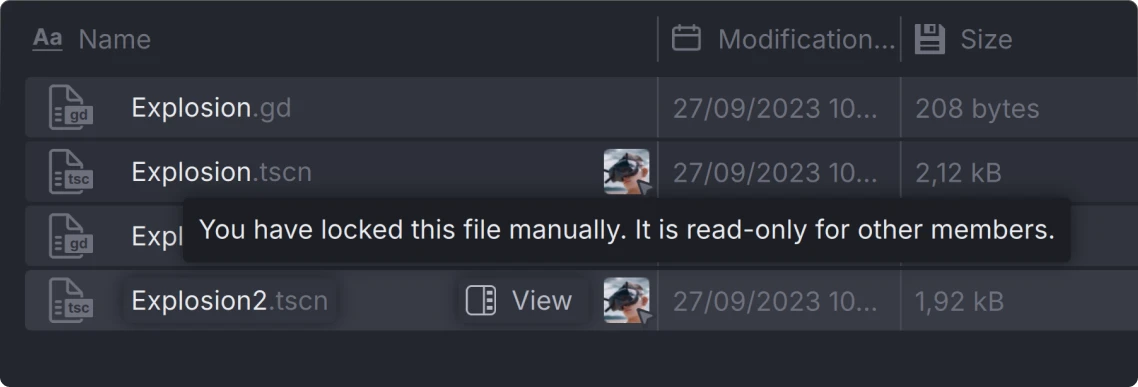
Anchorpoint uses a centralized file locking system that allows you to "checkout" an asset. This prevents others from making simultaneous changes, effectively eliminating merge conflicts on binary files.
Git LFS (large file storage) is an addon for Git to manage binary files. It makes Git behave like a centralized version control system.
Anchorpoint uses Git LFS and configures it automatically by editing the .gitattributes file. When you commit a binary, it is automatically committed as Git LFS.
No. Anchorpoint uses its own optimized metadata system to manage locks. This allows for instant locking without fetching data and scales to projects with over 100,000 locked files. Note: Because this system is specialized for performance, other Git clients or command-line users will not see these lock statuses.
Anchorpoint is a complete version control solution that is fully compatible with Git. While it performs standard Git operations like pushing and pulling, it is purpose-built for game development. It includes a high-performance metadata system for file locking, centralized configurations for teams, and asset management features like tagging and visual previews that go far beyond the capabilities of a standard Git client.